Home sweet home tools transform ordinary houses into well-maintained living spaces. Every homeowner needs reliable equipment to handle repairs, improvements, and everyday fixes. The right tools save money on contractor fees and provide the satisfaction of completing projects independently. This guide covers essential hand tools, power tools, storage solutions, and tips for selecting quality equipment that lasts for years.
Table of Contents
ToggleKey Takeaways
- Home sweet home tools like hammers, screwdrivers, and tape measures form the foundation of any effective DIY toolkit.
- A cordless drill is the most valuable power tool for homeowners, handling everything from driving screws to drilling holes.
- Proper storage solutions—toolboxes, pegboards, or magnetic strips—protect your tools from damage and keep them organized.
- Investing in quality tools with forged steel construction and ergonomic handles saves money long-term by avoiding frequent replacements.
- Look for tools with lifetime warranties and strong brand reputations to ensure durability and reliable performance.
- Buying home sweet home tools as complete sets often provides better value and ensures compatibility across your collection.
Must-Have Hand Tools for Basic Home Repairs
A quality hammer sits at the foundation of any home sweet home tools collection. A 16-ounce claw hammer handles most household tasks, from hanging pictures to light demolition work. Homeowners use this tool more than any other piece of equipment.
Screwdrivers come next on the essentials list. A set should include both flathead and Phillips head varieties in multiple sizes. Magnetic tips prevent dropped screws in tight spaces. Many homeowners prefer screwdriver sets with interchangeable bits for convenience.
Adjustable wrenches and pliers handle plumbing fixes and furniture assembly. An adjustable crescent wrench fits various nut sizes without requiring a complete wrench set. Needle-nose pliers reach into small spaces, while slip-joint pliers grip pipes and stubborn fittings.
A tape measure belongs in every toolkit. A 25-foot tape with a locking mechanism covers most home projects. Homeowners use this tool for furniture placement, hanging artwork, and planning renovations.
A utility knife cuts cardboard, opens packages, and scores drywall. Retractable blades offer safety during storage. Quality home sweet home tools like these make quick work of daily tasks.
A level ensures straight installations. Even simple projects like mounting shelves require accurate leveling. A 24-inch torpedo level works for most applications.
Pry bars and putty knives round out the basic hand tool collection. These tools assist with trim removal, paint preparation, and minor repairs throughout the home.
Power Tools That Make Home Projects Easier
A cordless drill ranks as the most valuable power tool for homeowners. This single tool drives screws, drills holes, and handles dozens of applications. Lithium-ion batteries provide longer run times and faster charging than older battery types.
Homeowners should select a drill with variable speed settings and a clutch for controlled torque. An 18-volt or 20-volt model offers enough power for most home sweet home tools applications without excessive weight.
A circular saw cuts lumber for decks, shelving, and repair projects. This tool replaces hand saws for straight cuts through boards and plywood. Safety features like blade guards and electric brakes protect users during operation.
An orbital sander prepares surfaces for painting and finishing. This power tool removes old paint, smooths wood, and creates professional-looking results. Random orbital models reduce swirl marks compared to standard palm sanders.
A jigsaw cuts curves and intricate shapes that circular saws cannot handle. This tool works on wood, plastic, and thin metal with the appropriate blade selection.
Reciprocating saws tackle demolition and rough cutting tasks. Homeowners use these tools for pruning trees, cutting pipes, and removing old fixtures.
Power tools require proper maintenance and storage. Keeping batteries charged and blades sharp extends the life of these home sweet home tools investments.
Organization and Storage Solutions for Your Tool Collection
Proper storage protects home sweet home tools from damage and rust. A dedicated workspace keeps equipment accessible and organized. Homeowners have several storage options based on space and budget.
Toolboxes provide portable storage for basic hand tools. A quality metal or plastic toolbox includes removable trays and secure latches. This solution works well for homeowners with limited garage space.
Tool chests and cabinets store larger collections. Rolling cabinets offer mobility around the garage or workshop. Drawer organizers keep small items sorted and visible.
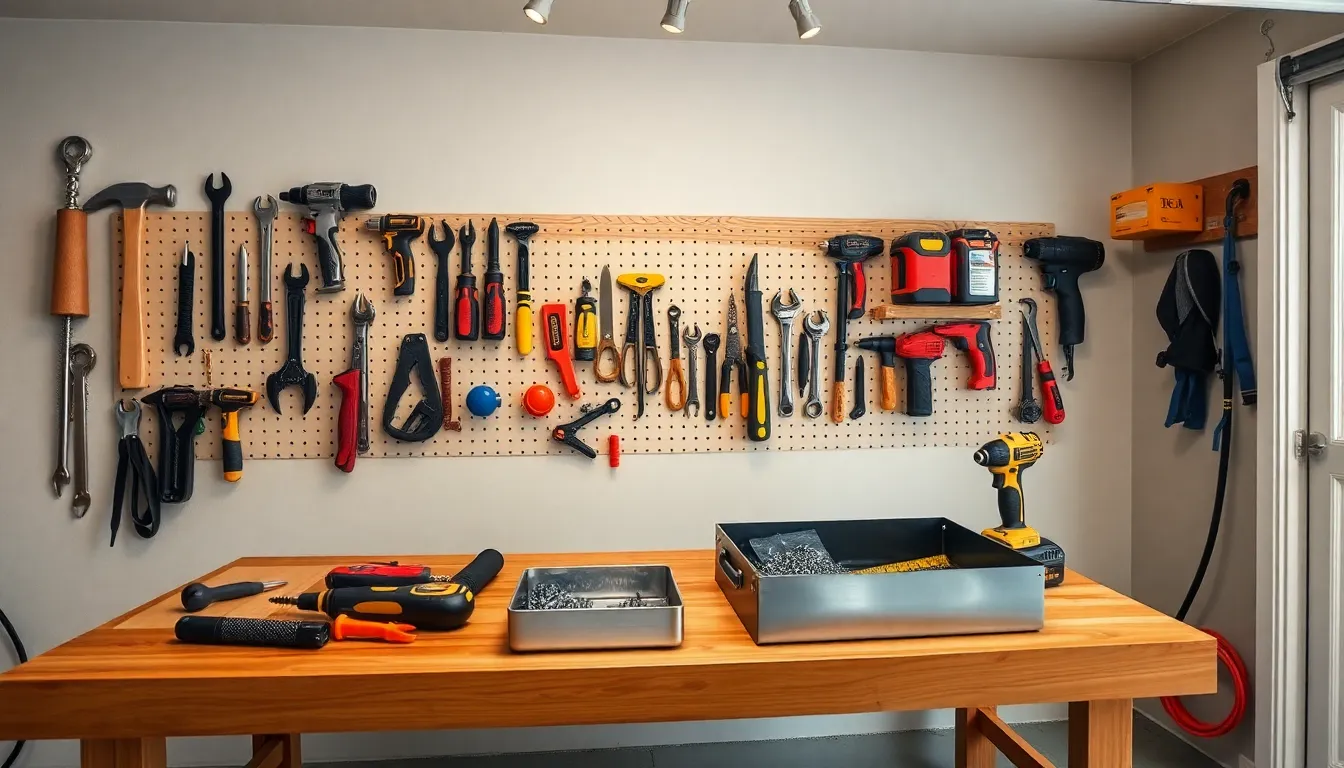
Pegboard systems mount on walls and display tools within easy reach. This storage method saves floor space and prevents digging through drawers. Homeowners can customize pegboard layouts as their home sweet home tools collections grow.
Magnetic strips hold metal tools like screwdrivers and wrenches on walls. This simple solution provides quick access and prevents tool clutter.
Plastic bins and drawer organizers sort screws, nails, and small hardware. Clear containers allow users to identify contents without opening each bin.
Proper storage extends tool life and prevents rust. Homeowners should keep tools dry and apply light oil to metal surfaces periodically. Climate-controlled storage protects sensitive electronics in power tools.
How to Choose Quality Tools for Long-Term Use
Quality home sweet home tools cost more upfront but save money over time. Cheap tools break during critical projects and require frequent replacement. Smart buyers invest in equipment that lasts decades.
Material quality indicates tool durability. Forged steel construction outperforms cast metal for wrenches and pliers. Chrome vanadium steel resists wear and corrosion better than standard alloys.
Handle design affects comfort during extended use. Ergonomic grips reduce hand fatigue and improve control. Rubber-coated handles provide better grip than bare plastic or wood.
Warranty coverage reveals manufacturer confidence in their products. Many premium brands offer lifetime warranties on hand tools. This guarantee protects buyers from manufacturing defects.
Brand reputation matters when selecting home sweet home tools. Established manufacturers maintain quality control standards. User reviews and professional recommendations identify reliable brands.
Homeowners should match tool quality to frequency of use. Occasional users might choose mid-range options. Those who tackle regular projects benefit from professional-grade equipment.
Buying tools as sets often saves money compared to individual purchases. Complete sets ensure compatibility and provide backup pieces for common items like screwdriver bits.