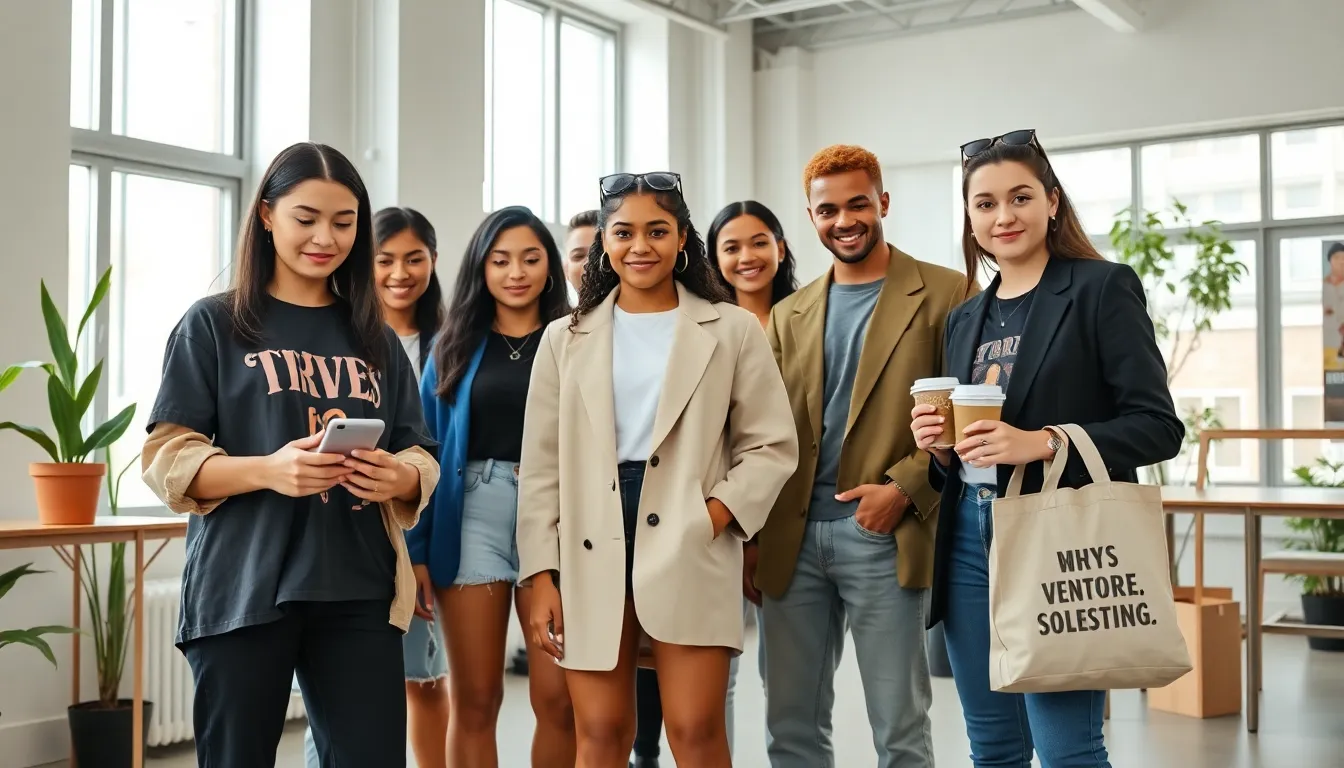
The best Gen Z trends are reshaping how people dress, connect, and spend their money. Born between 1997 and 2012, Gen Z has emerged as a cultural force with serious buying power and influence. This generation drives viral moments on TikTok, demands authenticity from brands, and prioritizes values over logos. From thrifted fashion to digital-first communities, their preferences signal where mainstream culture is headed. Here’s a look at the best Gen Z trends defining 2025 and beyond.
Table of Contents
ToggleKey Takeaways
- The best Gen Z trends prioritize authenticity, individual expression, and sustainability over brand loyalty and logos.
- Thrifting and secondhand shopping have become mainstream, with apps like Depop and Poshmark driving Gen Z’s fashion choices.
- Short-form video content on TikTok dominates how trends spread, rewarding creators who feel genuine over polished.
- Gen Z rejects hustle culture and burnout, embracing rest, boundaries, and the “act your wage” mentality.
- Conscious consumerism shapes purchasing decisions, with Gen Z demanding transparency, ethical practices, and supporting small businesses.
- De-influencing has emerged as a powerful counter-trend, encouraging followers to question overconsumption and unnecessary purchases.
Fashion and Style Trends
Gen Z has flipped fashion on its head. Forget matching outfits or brand loyalty, this generation values individual expression and affordability above all.
Thrifting dominates. Apps like Depop and Poshmark see massive Gen Z engagement, with secondhand shopping now viewed as cool rather than budget-conscious. Vintage band tees, oversized blazers, and Y2K aesthetics cycle through feeds daily. The best Gen Z trends in fashion blend nostalgia with sustainability.
Microtrends move fast. A style can blow up on TikTok, peak in two weeks, and disappear. “Quiet luxury” (think Succession-inspired minimalism) competed with “mob wife aesthetic” (bold furs, red lips, gold jewelry) within the same year. Gen Z doesn’t commit to one look. They rotate personas.
Gender-fluid fashion has gone mainstream. Baggy jeans, crop tops, and nail polish appear across all genders without fanfare. Brands that embrace inclusive sizing and unisex collections earn Gen Z’s trust.
Sneaker culture remains strong, but the flex has changed. Rare Jordans still matter, but so do New Balance dad shoes and Samba comebacks. Comfort meets clout. The best Gen Z trends reward creativity over price tags, though a limited drop still causes chaos.
Social Media and Digital Culture
Gen Z lives online, but they’re picky about where. TikTok remains their home base, while Instagram serves as a curated portfolio. BeReal had its moment. Threads is still figuring itself out.
Short-form video rules everything. The best Gen Z trends spread through 15-second clips, not blog posts. Creators condense ideas into punchy hooks, quick edits, and trending sounds. Attention spans haven’t shrunk, expectations for entertainment value have risen.
Authenticity beats polish. Overproduced content feels fake. Gen Z gravitates toward creators who film in their bedrooms, stumble over words, and share real struggles. The “Instagram vs. reality” format remains popular for a reason.
Niche communities thrive. BookTok drives bestseller lists. CleanTok makes dishwashing entertaining. Every interest has a thriving subcommunity. The best Gen Z trends often emerge from these micro-audiences before hitting the mainstream.
Memes function as communication. Gen Z uses absurdist humor, irony, and layered references to connect. If you don’t get the joke, you’re probably not the target audience. Brands that try too hard to meme get roasted. Brands that nail it earn loyalty.
Digital friendships carry real weight. Online friends, Discord servers, and parasocial relationships with streamers fill social needs. Gen Z blurs the line between virtual and physical connection without apology.
Lifestyle and Wellness Movements
Mental health awareness defines Gen Z’s approach to life. Therapy is normalized. Boundaries get celebrated. “Soft launching” a relationship protects emotional wellbeing. The best Gen Z trends in lifestyle prioritize inner peace over hustle culture.
Burnout rejection is real. While Millennials glamorized overwork, Gen Z pushes back. They question why jobs demand 60-hour weeks. They value time off. The phrase “act your wage” captures this attitude, do what you’re paid for, nothing more.
Wellness looks different now. Pilates classes, matcha lattes, and 5-9 routines (evening self-care rituals) dominate content. But Gen Z also rejects toxic wellness culture. They call out unrealistic fitness standards and pseudo-science.
“Main character energy” encourages treating life like a movie where they’re the star. Solo dates, aesthetic morning routines, and romanticizing the mundane boost mental health through intentional joy.
Sleep matters. Early bedtimes have replaced late nights out for many. The best Gen Z trends embrace rest as productive, not lazy. Eight hours of sleep is no longer something to hide.
Sustainability and Conscious Consumerism
Gen Z votes with their wallets. They research brands before buying. They cancel companies that contradict their values. Corporate greenwashing gets exposed fast.
Sustainability drives purchase decisions. From secondhand clothing to refillable beauty products, Gen Z seeks options that reduce waste. The best Gen Z trends favor durability and ethics over disposable fashion.
“De-influencing” emerged as a backlash to overconsumption. Creators now tell followers what not to buy. They question whether anyone needs another Stanley cup. This anti-haul content resonates with budget-conscious, eco-aware viewers.
Small businesses win hearts. Gen Z supports indie brands, local creators, and minority-owned shops over faceless corporations. Etsy sellers and TikTok Shop small businesses thrive on this preference.
Transparency matters. Gen Z wants to know where products come from, who made them, and under what conditions. Brands that hide behind vague language lose trust. Those that share supply chain details, pay fair wages, and own their mistakes build lasting relationships.
The best Gen Z trends in consumerism reflect a generation that grew up watching climate change worsen. They’re not naive about corporate motives, and they demand better.