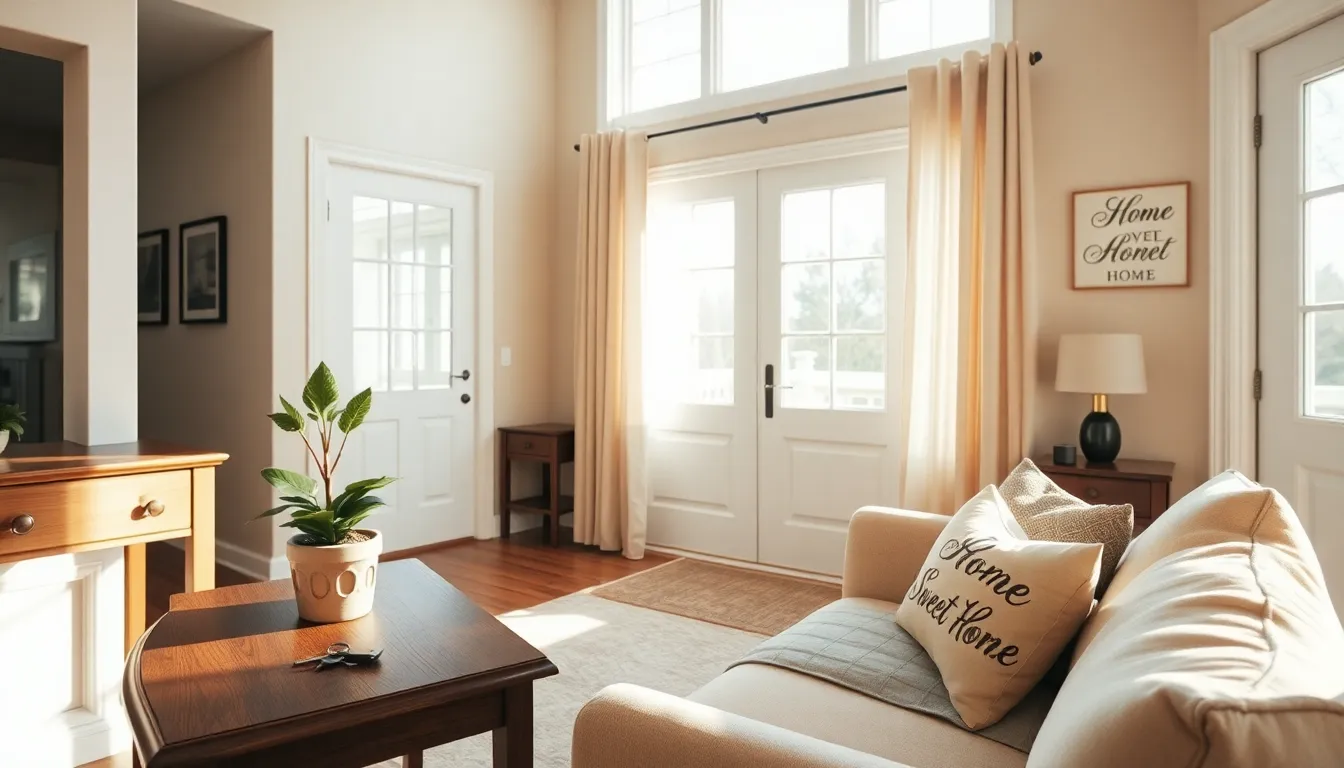
The phrase “home sweet home” appears on wall art, doormats, and greeting cards across the world. But what is home sweet home, and why does this simple expression hold such lasting power? The answer lies in a mix of history, emotion, and shared human experience. This phrase captures something universal, the comfort and safety people associate with their personal space. Whether someone lives in a small apartment or a sprawling farmhouse, the sentiment remains the same. Home represents more than walls and a roof. It symbolizes belonging, warmth, and identity. Understanding the origins and meaning of home sweet home reveals why this phrase continues to resonate across generations and cultures.
Table of Contents
ToggleKey Takeaways
- Home sweet home originated from a song written by John Howard Payne in 1823, which became an instant hit and evolved into a universal expression of domestic comfort.
- The phrase captures a fundamental human need for safety, belonging, and emotional connection—not luxury or home size.
- Home sweet home appears throughout popular culture, from The Wizard of Oz to modern social media hashtags marking life milestones.
- The expression endures because it’s short, memorable, and adapts to any definition of home, whether an apartment, RV, or shared space.
- Modern trends like remote work and housing instability have made home sweet home more meaningful than ever, representing both comfort and aspiration.
The Origin of the Phrase Home Sweet Home
The phrase “home sweet home” dates back to 1823. American actor and playwright John Howard Payne wrote the lyrics for a song called “Home. Sweet Home.” The song appeared in his opera Clari, or the Maid of Milan. English composer Sir Henry Bishop created the melody.
The song became an immediate hit on both sides of the Atlantic. Audiences connected with its simple message about longing for home. The opening lines captured that feeling perfectly: “Mid pleasures and palaces though we may roam, Be it ever so humble, there’s no place like home.”
Ironically, Payne himself spent much of his adult life homeless and wandering. He lived in poverty across Europe and never owned a permanent residence. This personal context adds depth to the lyrics he wrote. The man who gave the world “home sweet home” understood homesickness on a profound level.
The song’s popularity spread quickly. Soldiers sang it during the American Civil War. Families played it on parlor pianos throughout the Victorian era. By the late 1800s, the phrase had moved beyond the song itself. People began using “home sweet home” as a standalone expression of domestic contentment.
What Home Sweet Home Really Means
At its core, home sweet home expresses a fundamental human need. People crave a place where they feel safe, accepted, and comfortable. The phrase acknowledges that home isn’t about luxury or size. It’s about emotional connection.
The word “sweet” does important work here. It suggests pleasure, comfort, and something cherished. A home becomes “sweet” through memories, relationships, and personal touches. Someone might live in a modest space, but love transforms it into something precious.
Home sweet home also carries a note of relief. People often say it when returning after time away. The phrase marks a transition from the outside world back to personal territory. It celebrates the act of arrival and the comfort that follows.
Psychologists recognize this connection between home and wellbeing. Studies show that feeling “at home” reduces stress and anxiety. A stable home environment supports mental health and provides a foundation for daily life. The phrase home sweet home captures this psychological truth in three simple words.
Different people interpret the phrase in different ways. For some, it represents family and tradition. For others, it means independence and self-expression. The flexibility of home sweet home explains part of its enduring appeal. Everyone can find their own meaning within it.
Home Sweet Home in Popular Culture
The phrase home sweet home appears throughout popular culture. It shows up in films, television shows, music, and literature. Each use reinforces its status as a cultural touchstone.
The 1939 film The Wizard of Oz made “there’s no place like home” famous worldwide. Dorothy’s journey to return home drives the entire plot. The movie drew directly from the sentiment expressed in Payne’s original song.
Horror films have also used the phrase, but with irony. The 2013 movie Home Sweet Home and similar titles play on audience expectations. They twist the comfort associated with home into something sinister. This subversion works because the original phrase carries such positive weight.
In home décor, “home sweet home” became a staple during the 19th century. Victorian-era needlework samplers often featured the phrase. Young women stitched these decorative pieces as part of their domestic education. Today, the tradition continues. Modern versions appear on everything from throw pillows to neon signs.
Musicians continue to reference the phrase as well. Country, folk, and pop artists have written songs about home sweet home. Mötley Crüe’s 1985 power ballad “Home Sweet Home” became one of the band’s biggest hits. The song proved that the sentiment transcends genre boundaries.
Social media has given the phrase new life. People post photos of their homes with the hashtag #homesweethome. New homeowners share keys and doorstep pictures. The phrase marks important life milestones in the digital age.
Why the Phrase Endures Today
Home sweet home remains relevant for several reasons. First, the phrase is short and memorable. Three words capture a complex emotion. This simplicity makes it easy to share and repeat.
Second, the sentiment behind home sweet home is universal. Every culture values the concept of home. While languages differ, the feeling remains constant. People everywhere understand the desire for a safe and comfortable place.
Third, modern life has made home more important than ever. Remote work keeps many people in their homes for longer periods. The COVID-19 pandemic intensified this trend. People invested more time and money into their living spaces. The phrase home sweet home took on new significance when home became workplace, school, and sanctuary all at once.
Fourth, housing instability affects millions of people worldwide. Those without stable housing understand the phrase’s weight most deeply. Home sweet home represents something they’re working toward. The phrase holds both comfort and aspiration.
The expression also adapts to changing definitions of home. A home might be an apartment, a boat, an RV, or a shared living space. Home sweet home doesn’t require a traditional house. It applies wherever someone creates belonging.
Finally, nostalgia powers the phrase’s longevity. Home sweet home connects generations. Grandparents who displayed embroidered samplers pass down the sentiment to grandchildren who print it on canvas. The words stay the same even as styles change.