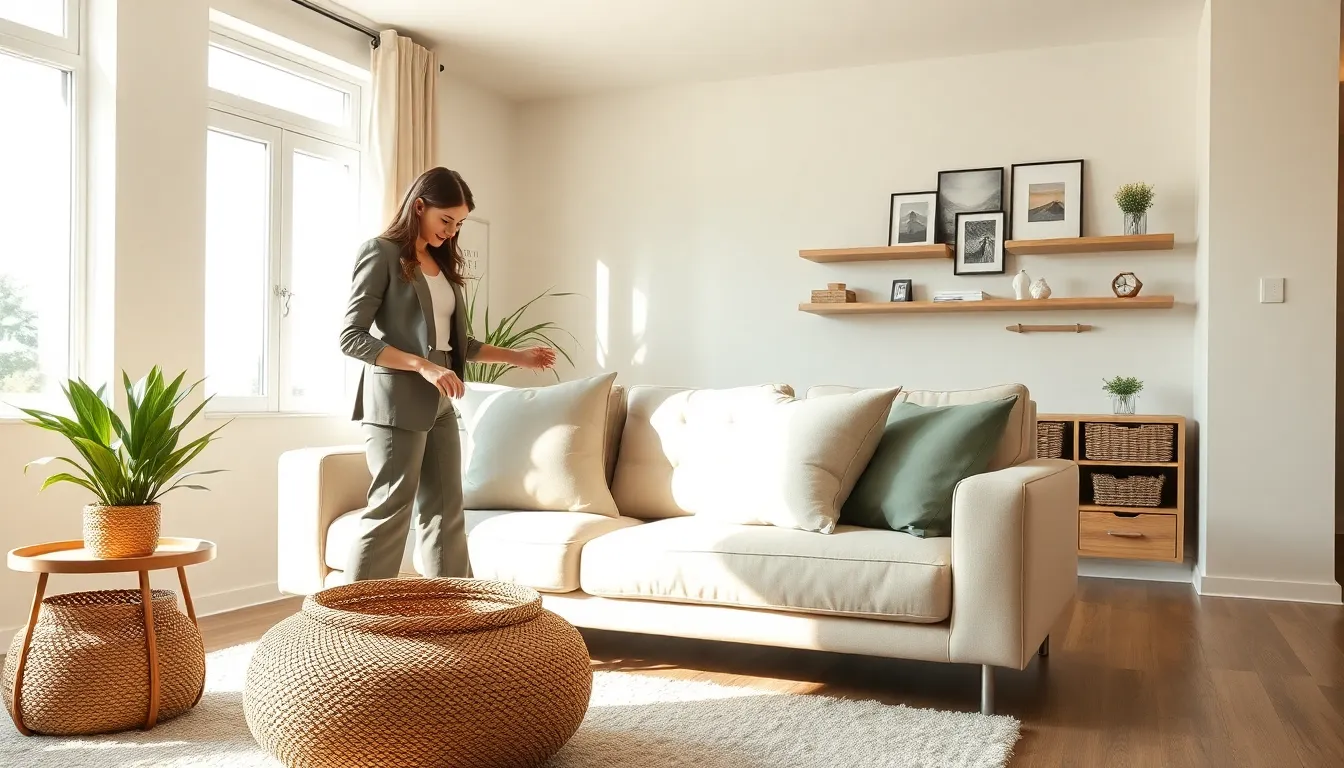
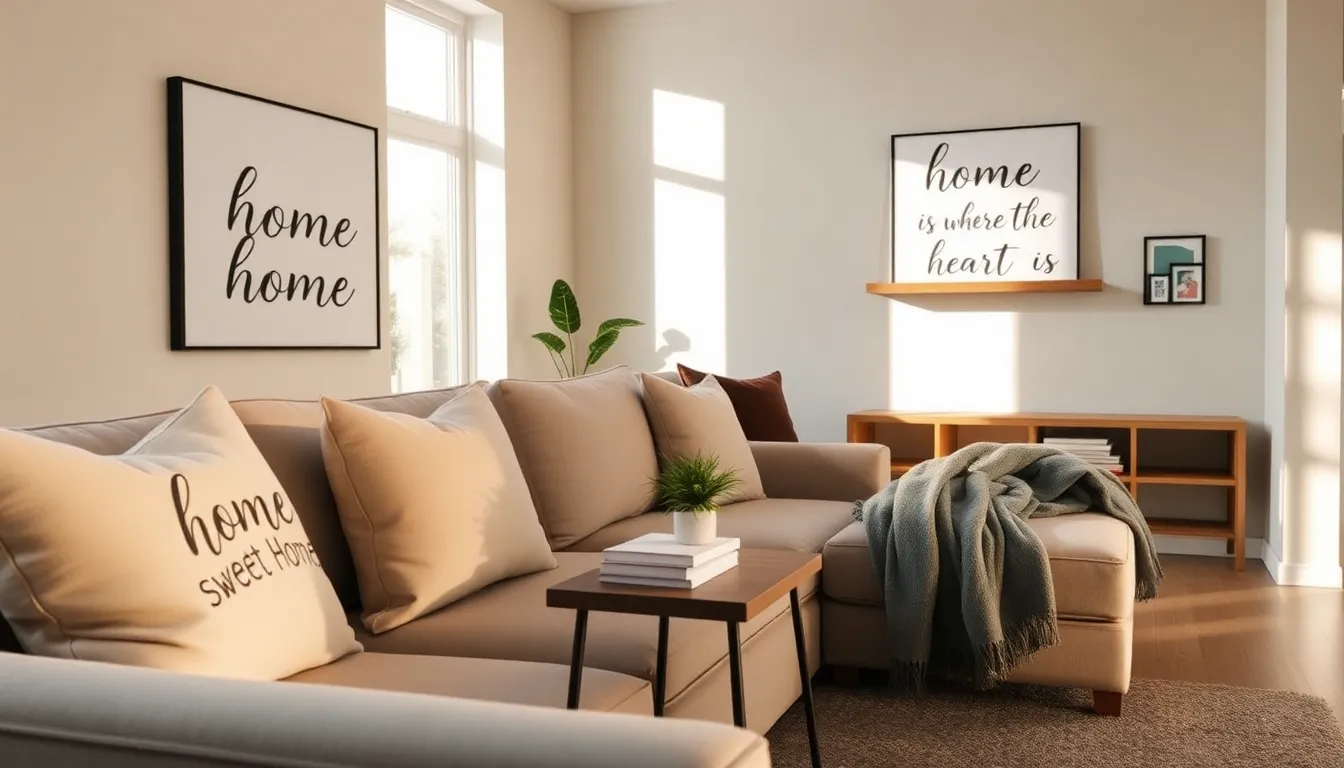
Turning a house into a home sweet home takes more than furniture and paint colors. It requires intention, personal touches, and spaces that reflect who you are. Many people move into new places and feel disconnected for months, or even years. The good news? Creating that warm, welcoming feeling is achievable with the right approach.
This guide covers practical strategies to transform any living space into a true home sweet home. From defining personal comfort to building daily rituals, each step brings you closer to a space that feels genuinely yours.
Table of Contents
ToggleKey Takeaways
- Define what home sweet home means to you by identifying feelings like calm, cozy, or connected before making any decorating decisions.
- Layer warm lighting (2700K-3000K bulbs) and add soft textiles like blankets and rugs to create physical comfort.
- Personalize your space with photographs, collections, books, and plants to transform a generic house into a true home.
- Establish meaningful daily rituals—morning coffee routines, family dinners, or evening candle lighting—to build emotional connections to your space.
- Create a welcoming atmosphere with an organized entryway, conversation-friendly furniture arrangements, and spaces that feel lived-in rather than staged.
Define What Home Means to You
Before buying throw pillows or rearranging furniture, pause and consider what “home” actually means. For some, home sweet home represents peace and quiet after a long day. For others, it’s a gathering place filled with laughter and conversation.
Take time to identify specific feelings and experiences that define comfort. Does home mean soft lighting and a good book? Or does it mean a kitchen filled with the smell of fresh bread? These answers shape every decorating decision that follows.
Write down three to five words that capture the ideal home atmosphere. Words like “calm,” “creative,” “connected,” or “cozy” serve as a guide. Every choice, from wall colors to furniture placement, should support these core values.
Consider past experiences too. What made childhood homes or favorite vacation spots feel special? Maybe it was a reading nook by a window or a dining table where everyone gathered. Recreating these elements helps build that home sweet home feeling faster.
Create Cozy and Comfortable Spaces
Physical comfort forms the foundation of any home sweet home. Start with seating, nobody feels at home on an uncomfortable couch. Invest in furniture that invites people to sit, stay, and relax.
Lighting matters more than most realize. Harsh overhead lights create a cold, institutional feel. Instead, layer lighting with floor lamps, table lamps, and candles. Warm bulbs (2700K-3000K) create an inviting glow that makes spaces feel lived-in.
Textiles transform a sterile room into a cozy retreat. Add soft blankets to sofas, plush rugs underfoot, and curtains that soften windows. These elements absorb sound and add visual warmth.
Temperature control also affects comfort. A home sweet home stays comfortable year-round. Consider fans, space heaters, or smart thermostats to maintain ideal conditions in every room.
Don’t forget about scent. Fresh flowers, essential oil diffusers, or simple candles add another comfort layer. Choose scents that evoke positive memories or feelings of relaxation.
Personalize Your Living Environment
Generic spaces feel like hotels. A true home sweet home reflects the people who live there. Personal touches separate a house from a home.
Start with photographs and artwork. Display images of loved ones, meaningful places, and moments worth remembering. Mix frames of different sizes and styles for visual interest.
Collections tell stories. Whether it’s vintage records, travel souvenirs, or handmade pottery, displayed collections reveal personality. Dedicate shelf space or wall areas to items that matter.
Books deserve prominent placement. A well-stocked bookshelf shows interests, sparks conversations, and invites browsing. Arrange books by color, genre, or but feels natural.
Don’t overlook plants. Greenery brings life into any space and improves air quality. Even those without green thumbs can maintain low-maintenance options like pothos, snake plants, or succulents.
Color choices matter too. While neutral walls work for many, accent colors in pillows, art, or rugs add personality. Choose colors that make residents feel happy and energized, or calm and peaceful, depending on the room’s purpose.
Establish Meaningful Routines and Rituals
A home sweet home isn’t just about physical space. Daily habits and rituals create emotional connections to a place.
Morning routines set the tone. Maybe it’s coffee in a favorite mug by the window, or a few minutes of stretching in the living room. These consistent practices anchor people to their space.
Mealtime rituals build connection. Eating dinner at the table, even when alone, creates mindfulness around food and home. Weekend brunches or Friday pizza nights give residents something to anticipate.
Seasonal traditions strengthen the home sweet home feeling. Decorating for holidays, hosting annual gatherings, or changing decor with the seasons keeps the space dynamic and meaningful.
Even small daily acts matter. Lighting a candle each evening, playing music during dinner prep, or having a designated reading hour, these habits transform houses into homes.
Create spaces for specific activities. A meditation corner, a craft table, or a gaming nook gives rooms purpose beyond just existing. When spaces support daily activities, they become essential rather than incidental.
Cultivate a Welcoming Atmosphere
A home sweet home welcomes both residents and guests. The atmosphere should feel warm from the moment someone walks through the door.
Entryways deserve attention. A clean, organized entrance with hooks for coats and a place for shoes makes arriving feel intentional. Add a mirror, fresh flowers, or a welcoming sign to set the mood immediately.
Consider how spaces flow. Furniture arrangements should encourage conversation, not block it. Face seating toward each other rather than all toward a television. Create clear pathways through rooms.
Sound affects atmosphere too. Eliminate annoying noises like dripping faucets or squeaky doors. Add pleasant sounds through music systems or wind chimes near open windows.
Keep common areas tidy but lived-in. A perfectly staged room feels like a museum, not a home sweet home. Allow some natural clutter, a book left open, a blanket draped over a chair, to signal that real life happens here.
Finally, practice hospitality. Keep guest rooms ready for visitors. Stock the kitchen with snacks to share. When a home regularly welcomes others, it develops an outward-facing warmth that residents feel too.