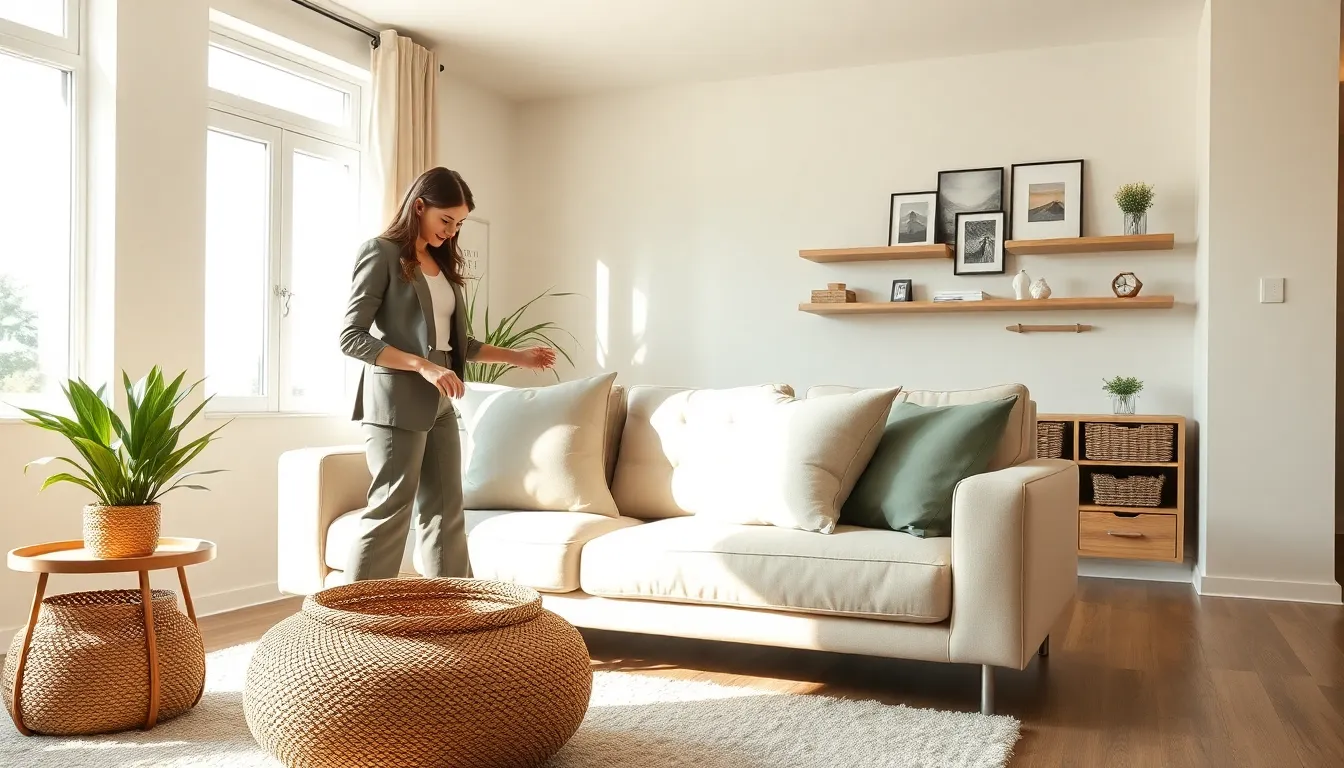
Home sweet home techniques transform ordinary rooms into welcoming retreats. A cozy living space does more than look good, it affects mood, productivity, and overall well-being. The good news? Creating that warm, inviting atmosphere doesn’t require a massive budget or professional design skills.
Whether someone lives in a studio apartment or a sprawling house, the same core principles apply. Small, intentional changes can shift a space from “just a place to sleep” to a genuine sanctuary. This guide covers practical home sweet home techniques that anyone can carry out today, from decluttering strategies to sensory touches that make a house truly feel like home.
Table of Contents
ToggleKey Takeaways
- Home sweet home techniques start with decluttering—clearing visual noise creates the mental calm needed for true coziness.
- Layer lighting with ambient, task, and accent sources using warm-toned bulbs (2700K-3000K) to instantly make any room more inviting.
- Add tactile warmth through textiles like throws, area rugs, and pillows made from natural materials such as cotton, wool, and linen.
- Display meaningful personal items like photographs, collections, and souvenirs to create authentic spaces that reflect your story.
- Address all five senses by incorporating inviting scents, comfortable temperatures (68-72°F), and pleasant background sounds for complete ambiance.
- Home sweet home techniques prioritize function alongside aesthetics—organize with smart storage solutions so maintaining order becomes effortless.
Decluttering and Organizing for Comfort
Clutter creates visual noise. It pulls attention in multiple directions and makes relaxation difficult. The first step in any home sweet home technique is clearing out what doesn’t serve the space.
Start with one room, or even one drawer. Sort items into three categories: keep, donate, and discard. Be honest about what actually gets used versus what just takes up space. That bread maker from 2019 that’s never left the box? Time to let it go.
Storage Solutions That Work
Once the excess is gone, smart storage keeps things organized. Consider these approaches:
- Vertical storage: Shelves and wall-mounted organizers free up floor space
- Hidden storage: Ottomans with compartments, beds with drawers underneath
- Labeled containers: Clear bins or labeled boxes make finding items quick and easy
- One-in-one-out rule: For every new item that enters the home, one old item leaves
Organization isn’t about perfection. It’s about creating systems that reduce daily friction. When everything has a designated spot, maintaining order becomes automatic rather than exhausting.
Home sweet home techniques prioritize function alongside aesthetics. A beautifully decorated room means little if people can’t find their keys or constantly trip over misplaced shoes. Clean surfaces and clear pathways create mental calm, the foundation of true coziness.
Adding Warmth Through Lighting and Textiles
Harsh overhead lighting kills ambiance faster than almost anything else. One of the most effective home sweet home techniques involves layering light sources throughout a room.
Lighting Strategies
Think of lighting in three categories:
- Ambient lighting: The main source, but dimmed or diffused rather than glaring
- Task lighting: Desk lamps, reading lights, under-cabinet fixtures for specific activities
- Accent lighting: Candles, string lights, or small lamps that add visual interest
Warm-toned bulbs (2700K-3000K) create a softer, more inviting atmosphere than cool white options. Dimmer switches offer flexibility, bright for cooking or working, soft for movie nights or relaxation.
The Power of Textiles
Textiles add literal and visual warmth to any space. Layering different textures creates depth and interest:
- Throws and blankets: Draped over sofas, chairs, or the foot of the bed
- Area rugs: Soften hard floors and define spaces within open floor plans
- Curtains: Heavy drapes add warmth: sheer panels soften harsh sunlight
- Pillows: Mix sizes, patterns, and materials for a collected look
Natural materials like cotton, wool, linen, and velvet tend to feel more inviting than synthetic options. They also age better over time, developing character rather than looking worn.
Home sweet home techniques recognize that coziness is tactile. A room people want to touch, soft blankets, plush rugs, smooth wood surfaces, becomes a room they want to stay in.
Incorporating Personal Touches and Meaningful Décor
Generic décor creates generic spaces. The most effective home sweet home techniques involve items that tell a story or spark joy for the people who live there.
Displaying What Matters
Personal touches might include:
- Photographs: Family pictures, travel memories, or moments captured with friends
- Collections: Books, vinyl records, vintage cameras, or pottery gathered over time
- Artwork: Original pieces, prints that resonate, or even framed children’s drawings
- Souvenirs: Objects from travels, inherited items, or handmade gifts
The key is curation. Not everything meaningful needs display space. Select pieces that genuinely bring happiness and arrange them thoughtfully rather than cramming every surface.
Creating Vignettes
A vignette is a small, styled grouping of objects. These mini-scenes catch the eye and make spaces feel intentional. Effective vignettes typically include:
- Items of varying heights
- A mix of textures or materials
- Something organic (a plant, flowers, or natural object)
- An odd number of elements (three or five usually works best)
Home sweet home techniques emphasize authenticity over trends. A space filled with personally meaningful items will always feel warmer than one styled straight from a catalog. It reflects the people who live there, their interests, travels, relationships, and memories.
That said, editing matters. Meaningful clutter is still clutter. Rotate displayed items seasonally or when they no longer spark the same joy.
Creating Inviting Scents and Ambiance
Smell connects directly to memory and emotion. Home sweet home techniques that address scent create powerful, often subconscious, feelings of comfort.
Scent Options for Every Preference
Different methods suit different needs:
| Method | Pros | Considerations |
|---|---|---|
| Candles | Adds light and fragrance: wide variety | Requires supervision: produces soot |
| Reed diffusers | Constant, subtle scent: no flame | Less adjustable intensity |
| Essential oil diffusers | Customizable blends: can humidify | Requires cleaning: electricity needed |
| Simmer pots | Natural ingredients: fills large spaces | Needs stovetop: temporary |
| Fresh flowers/plants | Visual and aromatic appeal | Requires regular replacement/care |
Popular cozy scents include vanilla, cinnamon, lavender, eucalyptus, and fresh linen. But, the “right” scent is entirely personal, whatever triggers positive associations works.
Sound and Temperature
Ambiance extends beyond smell. Consider:
- Background music or sounds: Soft music, nature sounds, or simply comfortable silence
- Temperature: Slightly warm (68-72°F) feels welcoming: have blankets available for cooler preferences
- Air quality: Regular ventilation, houseplants, or air purifiers improve how a space feels
Home sweet home techniques address all the senses. A room that looks beautiful but smells stale or feels stuffy won’t achieve true coziness. The goal is creating environments where every sensory input says “relax, you’re home.”