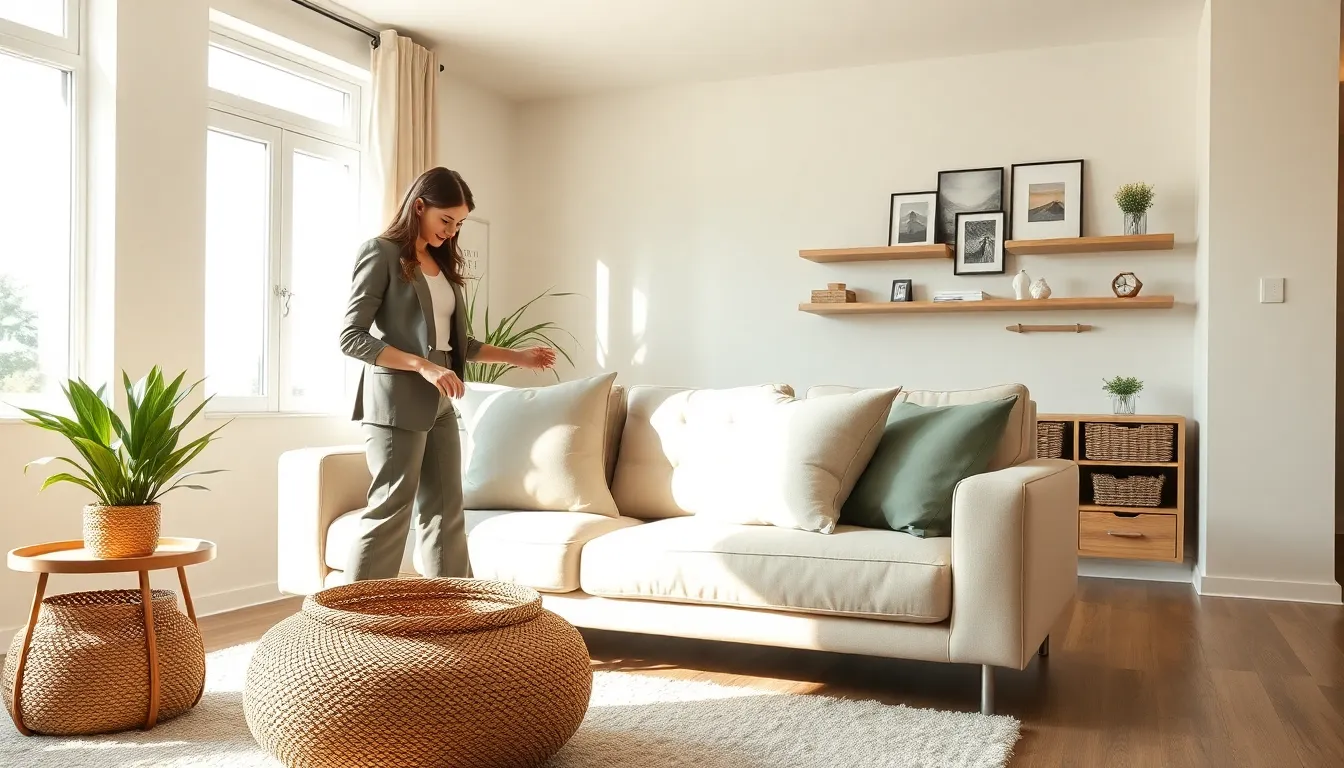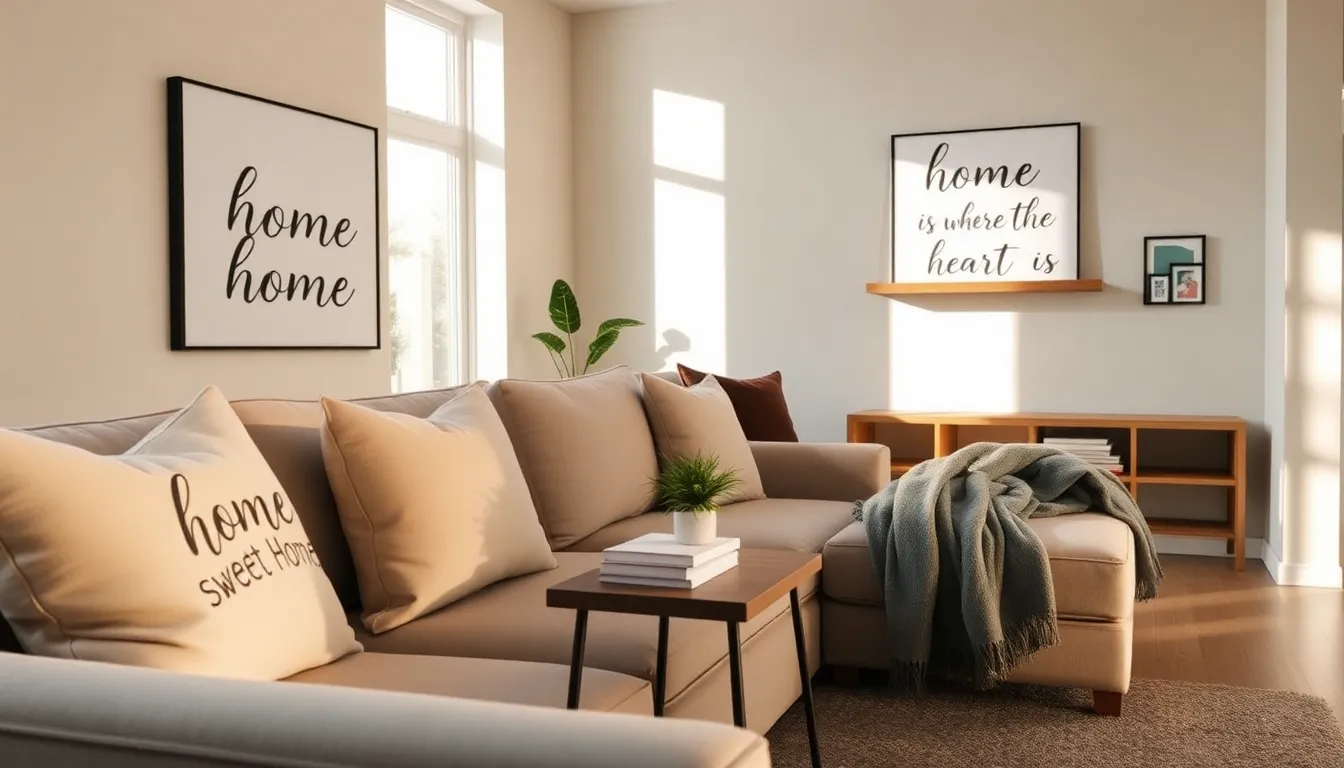
Home sweet home strategies transform an ordinary house into a place that feels genuinely yours. A home should offer comfort, function, and a sense of belonging. Yet many people struggle to create that feeling, even in spaces they’ve lived in for years.
The good news? Building a home you love doesn’t require a massive budget or professional design skills. It requires intention. This guide covers practical home sweet home strategies that address everything from vision-setting to daily routines. Each section offers actionable steps to help anyone create a living space that supports their well-being and reflects their personality.
Table of Contents
ToggleKey Takeaways
- Home sweet home strategies start with a clear vision—define your ideal atmosphere using the ‘three words’ exercise to guide every design decision.
- Decluttering is essential for comfort; use the one-year rule to remove unused items and assign every belonging a designated spot.
- Layer lighting with table lamps, floor lamps, and natural light to create cozy, functional spaces that adapt to different moods and activities.
- Personalize on a budget with paint, thrifted textiles, plants, and meaningful items like family photos or heirlooms.
- Build daily routines like morning bed-making and evening resets to maintain order and nurture a home that feels lived-in and loved.
- Effective home sweet home strategies balance aesthetics with practicality—beautiful spaces must also function well for everyday life.
Defining Your Vision for Home
Every successful home transformation starts with a clear vision. Without it, people end up with rooms full of random purchases that don’t connect.
Start by asking simple questions: What feelings should this space create? Who lives here, and what do they need? How does daily life actually flow through these rooms?
One effective method is the “three words” exercise. Choose three words that describe the ideal home atmosphere. Examples might include “calm,” “bright,” and “welcoming.” These words become a filter for every decision, from paint colors to furniture placement.
Home sweet home strategies work best when they’re personal. A family with young children needs durable surfaces and accessible storage. A remote worker needs a quiet corner with good lighting. A couple who loves entertaining needs open layouts and comfortable seating.
Consider creating a simple mood board. Collect images from magazines, Pinterest, or Instagram that capture the desired aesthetic. Look for patterns. Do the images share similar colors, textures, or layouts? These patterns reveal personal preferences that might not be immediately obvious.
Writing down the vision makes it concrete. A single paragraph describing the ideal home experience can guide months of decisions. Reference it before any purchase or project.
Decluttering and Organizing for Comfort
Clutter blocks comfort. It’s that simple. A home filled with unused items creates visual noise and mental stress.
Effective home sweet home strategies always include decluttering. The process doesn’t need to happen all at once. Start with one drawer, one shelf, or one closet. Small wins build momentum.
The “one-year rule” helps make decisions easier. If an item hasn’t been used in twelve months, it probably won’t be used in the next twelve. Donate, sell, or discard it.
Organization follows decluttering. Every item needs a designated spot. When things have homes, tidying takes minutes instead of hours.
Some practical organizing tips:
- Use clear containers in pantries and closets so contents stay visible
- Group similar items together (all batteries in one drawer, all craft supplies in one bin)
- Label shelves and bins to help everyone in the household maintain the system
- Keep frequently used items at eye level and within easy reach
Storage solutions don’t need to be expensive. Repurposed jars, baskets from thrift stores, and cardboard boxes covered in contact paper all work well.
The goal isn’t perfection. It’s creating enough order that daily life feels manageable. Home sweet home strategies succeed when they reduce friction, not when they create Instagram-worthy closets that no one can actually maintain.
Creating Cozy and Functional Spaces
A beautiful room that doesn’t function well isn’t truly comfortable. Home sweet home strategies balance aesthetics with practicality.
Lighting makes a massive difference. Most homes rely too heavily on overhead fixtures. Add table lamps, floor lamps, and string lights to create layers. Dimmer switches allow adjustment based on activity and mood. Natural light should be maximized, sheer curtains filter harsh sun while maintaining brightness.
Texture adds warmth without cluttering a space. Soft throw blankets, textured pillows, woven baskets, and natural materials like wood and wool create visual interest and physical comfort.
Furniture arrangement affects how people actually use rooms. Conversational groupings work better than furniture pushed against walls. Traffic flow matters, people shouldn’t have to squeeze past obstacles. Test different arrangements before committing.
Multi-purpose spaces require extra thought. A guest room that doubles as an office needs a comfortable chair that works for both purposes. A living room used for exercise needs furniture that moves easily.
Temperature and air quality contribute to comfort too. Indoor plants improve air quality and add life to rooms. Proper ventilation prevents stuffiness. A consistent, comfortable temperature makes any room more inviting.
Home sweet home strategies recognize that comfort is physical, not just visual. A gorgeous couch that’s uncomfortable to sit on fails its primary purpose.
Budget-Friendly Ways to Personalize Your Home
Personal touches make a house feel like home. Fortunately, meaningful personalization doesn’t require significant spending.
Paint delivers high impact at low cost. A single accent wall can transform a room for under fifty dollars. Cabinet paint updates kitchens and bathrooms without full renovations.
Art and photographs add personality. Frame meaningful photos, children’s artwork, or postcards from travels. Gallery walls can be created gradually, adding pieces over time.
Textiles offer easy updates. New throw pillows, curtains, or a fresh shower curtain change a room’s feel instantly. Thrift stores often stock quality options at fraction of retail prices.
Plants bring life into any space. Many low-maintenance varieties thrive with minimal attention, pothos, snake plants, and ZZ plants tolerate neglect well.
Home sweet home strategies embrace creativity over spending. Some budget-friendly personalization ideas:
- Display collections (books, records, vintage finds) as decorative elements
- Add removable wallpaper to rental spaces or commitment-free accent walls
- Swap out hardware on cabinets and doors for an updated look
- Use mirrors to make small spaces feel larger and reflect light
DIY projects stretch budgets further. Refinishing furniture, sewing simple curtains, or building basic shelving adds personal satisfaction alongside visual improvement.
The most personal items often cost nothing. Family heirlooms, handmade gifts, and found objects carry stories that purchased décor cannot match.
Building Daily Routines That Nurture Home Life
A well-designed space means little if daily habits work against it. Home sweet home strategies extend beyond physical changes to include routines that maintain and enhance home life.
Morning routines set the day’s tone. Making the bed takes two minutes and creates an immediate sense of order. Opening curtains and windows brings in fresh air and light. A tidy kitchen makes breakfast preparation pleasant.
Evening reset routines keep clutter from accumulating. A ten-minute family tidy-up before bed maintains order without weekend-long cleaning marathons. Running the dishwasher nightly prevents sink pile-ups.
Weekly rhythms help too. Designating specific days for specific tasks (laundry on Tuesdays, vacuuming on Fridays) reduces decision fatigue and ensures nothing gets forgotten.
Home sweet home strategies also include positive rituals:
- Family dinners at the table, even if brief
- Device-free hours in shared spaces
- Regular hosting of friends or neighbors
- Seasonal decorating that marks the passage of time
These routines transform a house from a place where people sleep into a place where life happens. The physical space provides the container: habits and rituals fill it with meaning.
Consistency matters more than perfection. Missing a day or a week doesn’t break a routine. What matters is returning to the pattern.