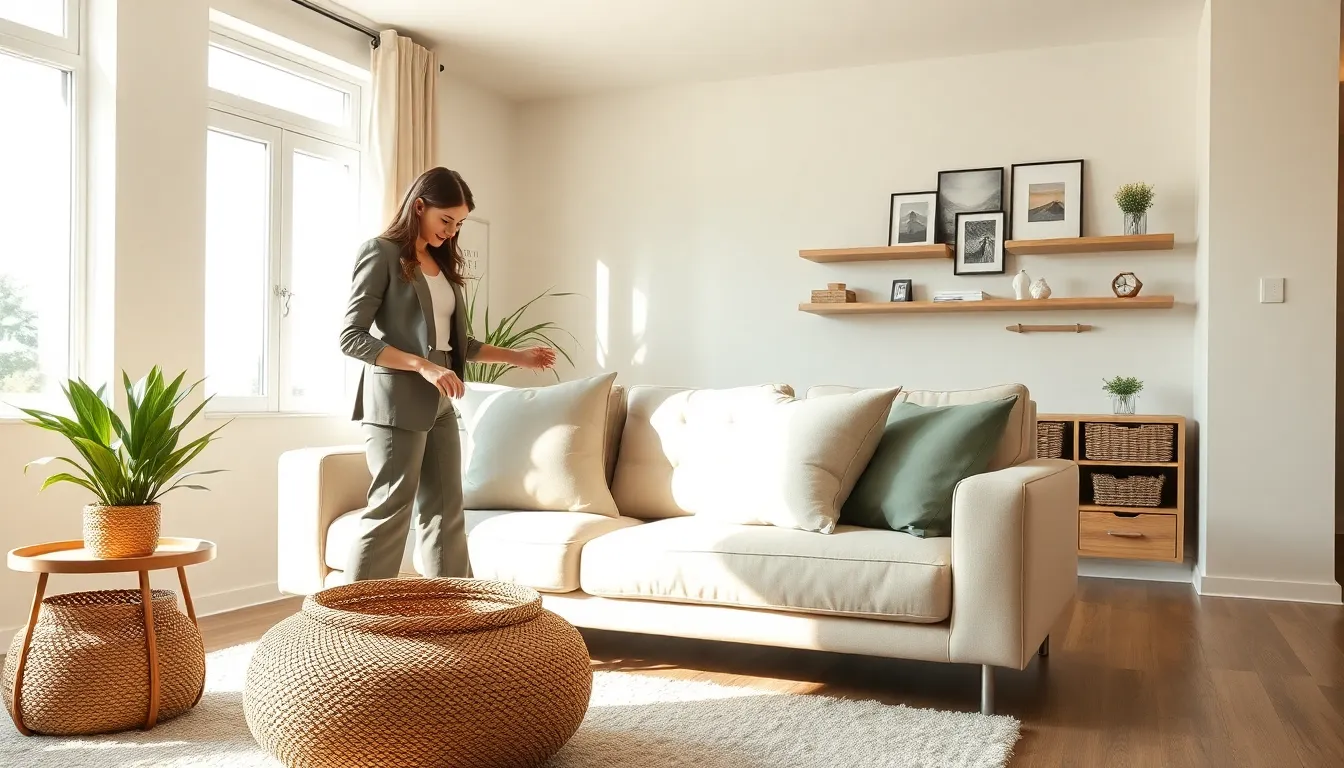
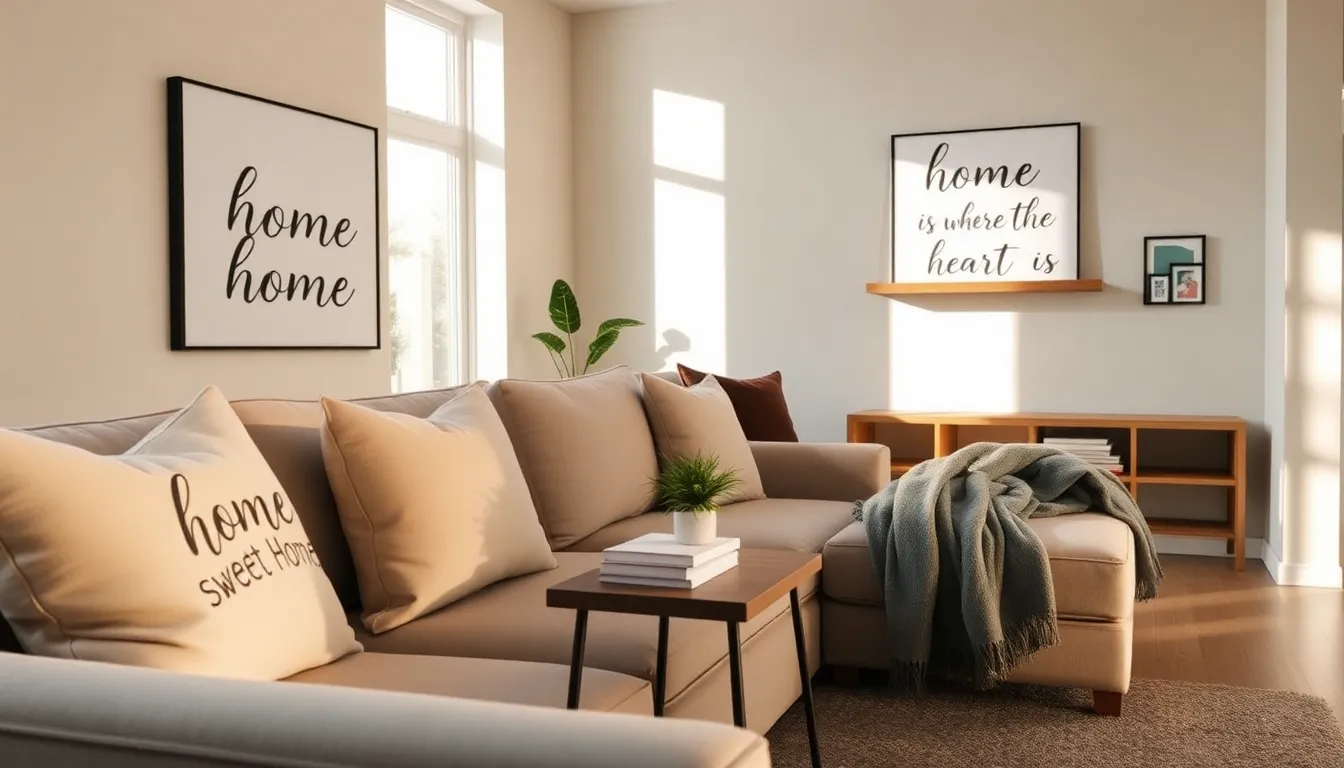
A home sweet home guide helps people transform any living space into a place that feels right. Whether someone rents a studio apartment or owns a four-bedroom house, the principles remain the same. Home isn’t about square footage or expensive furniture. It’s about creating comfort, function, and personal meaning in the spaces where life happens.
This home sweet home guide covers everything from defining personal style to building an atmosphere that welcomes everyone who walks through the door. The goal is simple: help readers make their space feel less like a place to crash and more like a place to thrive.
Table of Contents
ToggleKey Takeaways
- A home sweet home guide starts with self-reflection—define what comfort, function, and personal meaning look like for your lifestyle before making any purchases.
- Layered lighting, comfortable furniture, and good organization are essential elements that transform any space into a true home.
- Use textiles like rugs, curtains, and throw blankets to add warmth without permanent changes—perfect for renters or those on a budget.
- Bring nature indoors with houseplants to improve air quality and add life to your rooms.
- Create a welcoming atmosphere for guests through intentional entryways, comfortable gathering spaces, and thoughtful small details.
- Don’t rush the process—homes develop over time, and patience leads to better choices that truly fit your needs.
Defining What Home Means to You
Before buying a single throw pillow, it helps to ask a basic question: what does home actually mean? The answer differs for everyone. For some, home means a quiet retreat from a busy world. For others, it’s a social hub where friends gather every weekend.
A solid home sweet home guide starts with self-reflection. Consider these questions:
- What activities happen most often in this space?
- Who shares the home, and what do they need?
- What feelings should the space create?
Someone who works from home needs a functional workspace. A parent with young kids prioritizes durability and safety. A person who loves cooking might center their home around the kitchen.
Home also carries emotional weight. Childhood memories, cultural traditions, and personal values all shape how people want their spaces to feel. A minimalist might find peace in empty walls and clean lines. A collector might feel most comfortable surrounded by books, art, and objects with history.
There’s no wrong answer here. The point is to get clear on personal priorities before making decisions. This clarity saves money, prevents buyer’s remorse, and leads to spaces that actually fit the people living in them.
Essential Elements of a Comfortable Home
Every home sweet home guide should cover the basics. Comfort comes from a handful of key elements that work together.
Lighting
Lighting changes everything. Harsh overhead lights make rooms feel cold and institutional. Layered lighting, a mix of ambient, task, and accent sources, creates warmth and flexibility. Table lamps, floor lamps, and dimmer switches give control over the mood.
Natural light matters too. Keeping windows unblocked and using light-colored curtains helps rooms feel open and alive.
Temperature and Air Quality
A comfortable home stays at a comfortable temperature. This sounds obvious, but many people ignore drafty windows, inefficient heating, or stuffy air. Simple fixes like weatherstripping, ceiling fans, and houseplants improve both temperature control and air quality.
Furniture That Works
Furniture should fit the space and the lifestyle. A beautiful couch that’s too big for the room creates frustration. Chairs that look great but feel terrible don’t get used. Comfort and function beat style every time.
Personal Touches
Photos, artwork, plants, and meaningful objects turn a house into a home. These items tell a story and remind residents why they love their space. A home sweet home guide always emphasizes personalization because generic spaces feel generic.
Organization and Storage
Clutter kills comfort. When belongings have designated places, daily life runs smoother. Good storage solutions, shelves, baskets, closet organizers, reduce stress and keep spaces functional.
Practical Tips for Making Any Space Feel Like Home
Not everyone has the luxury of designing a home from scratch. Renters, people in temporary housing, and those on tight budgets need practical solutions. This home sweet home guide offers tips that work in any situation.
Start with one room. Trying to transform an entire home at once leads to overwhelm and half-finished projects. Pick the room that matters most, often the bedroom or living room, and focus there first.
Use textiles strategically. Rugs, curtains, throw blankets, and pillows add warmth without permanent changes. They’re also easy to swap out when tastes change or when moving to a new place.
Add scent. Smell triggers memory and emotion faster than any other sense. Candles, diffusers, or fresh flowers create immediate atmosphere. Find a signature scent that signals “home.”
Control noise. Rugs, curtains, and soft furnishings absorb sound. In noisy apartments, a white noise machine or background music can create a sense of privacy and calm.
Bring in nature. Houseplants improve air quality and add life to any room. Even low-maintenance options like pothos or snake plants make a difference. No green thumb? High-quality faux plants work too.
Create zones. In small spaces especially, defining areas for different activities helps everything feel more organized. A reading nook, a work corner, or a dining spot, even small distinctions matter.
Don’t rush. Homes develop over time. Buying everything at once often leads to regret. Living in a space reveals what’s actually needed. Patience leads to better choices.
Building a Welcoming Atmosphere for Family and Guests
A home sweet home guide isn’t complete without addressing hospitality. The best homes make everyone feel welcome, not just the people who live there.
Make Entryways Intentional
First impressions start at the door. A clean entryway with a place for shoes and coats signals care. A small bench, a mirror, or a piece of art sets the tone immediately.
Offer Comfort to Guests
Guest rooms don’t need to be fancy. Clean sheets, an empty drawer, and a bedside lamp go a long way. In homes without a guest room, a comfortable couch and fresh linens show thoughtfulness.
Create Gathering Spaces
Furniture arrangement affects how people interact. Seating that faces each other encourages conversation. A dining table that fits everyone makes shared meals possible. Homes designed for connection feel warmer than those designed for display.
Pay Attention to Small Details
Fresh hand towels in the bathroom. A bowl of snacks on the counter. Good lighting in the evening. These small touches communicate that guests are expected and valued.
Let Personality Show
Guests feel more comfortable in homes that feel lived-in rather than staged. Family photos, books on shelves, and signs of real life make visitors relax. Perfection intimidates: authenticity invites.