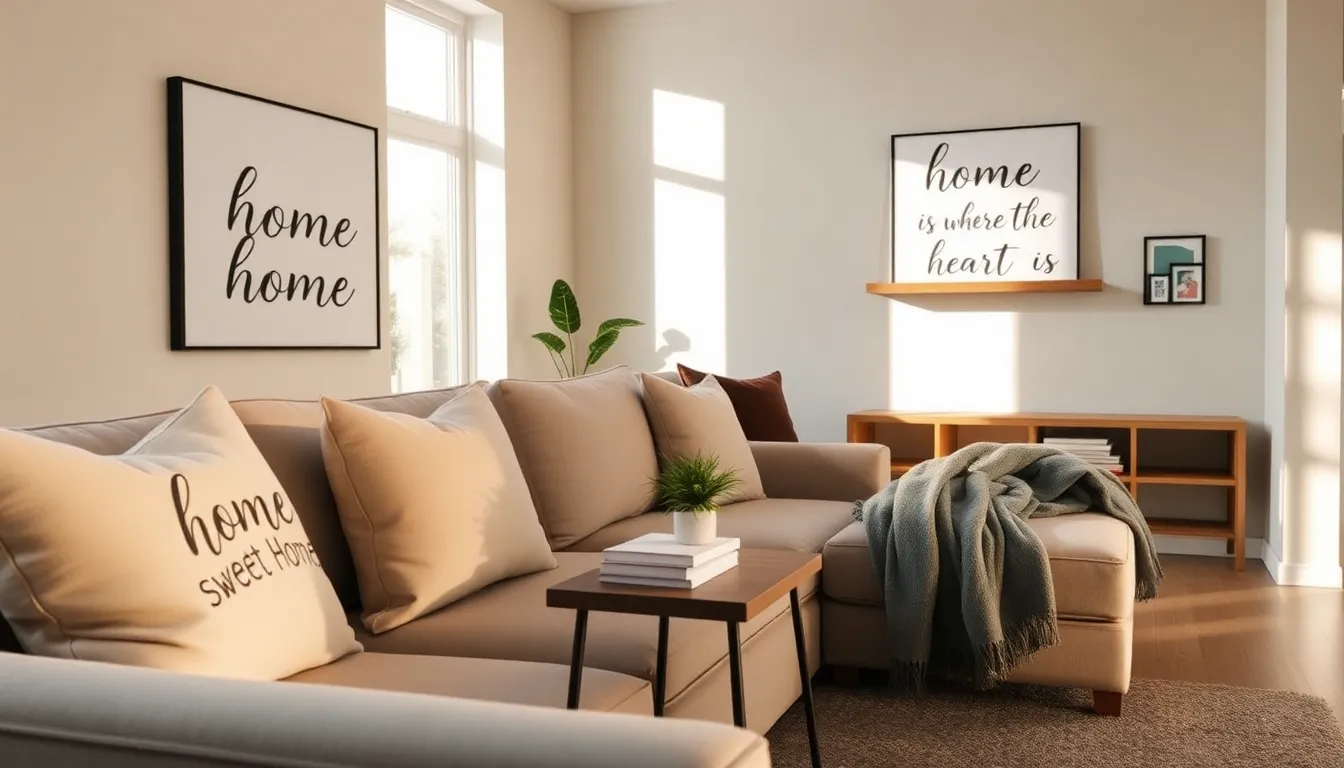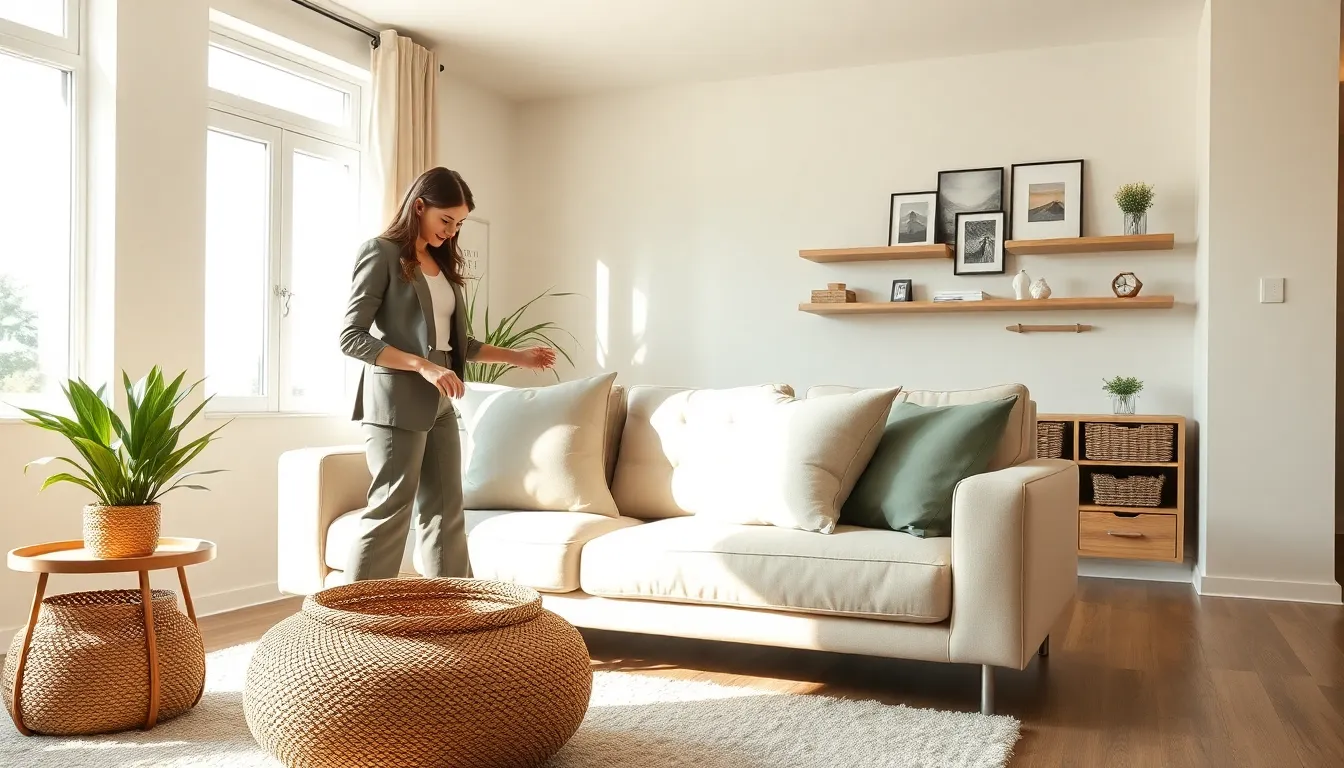
Home sweet home for beginners starts with one simple truth: a house becomes a home through intention, not square footage. Whether someone just signed their first lease or finally bought that starter house, the journey from “empty space” to “personal sanctuary” can feel overwhelming. But here’s the good news, creating a cozy home doesn’t require a designer’s eye or a massive budget. It requires understanding what comfort means personally and taking small, deliberate steps to bring that vision to life. This guide breaks down the essentials of turning any living space into a place that feels warm, welcoming, and unmistakably yours.
Table of Contents
ToggleKey Takeaways
- A home sweet home for beginners starts with intention—focus on comfort, familiarity, and sensory experiences rather than expensive furniture or large spaces.
- Define each room’s purpose and choose a cohesive color palette of 3-5 colors to create visual flow throughout your living space.
- Display meaningful items like photos, travel souvenirs, and books to transform generic spaces into a personalized home sweet home.
- Budget-friendly options like thrift store finds, DIY projects, and houseplants add character and warmth without breaking the bank.
- Establish daily routines—morning rituals and evening wind-down practices—to strengthen emotional connections with your space.
- Regular maintenance and seasonal refreshes keep your home feeling cared for and prevent it from becoming stale over time.
Understanding What Makes a House Feel Like Home
A house provides shelter. A home provides belonging. The difference lies in emotional connection, and that connection forms through specific, tangible elements.
First, consider comfort. This means furniture that invites relaxation, temperatures that feel right, and spaces arranged for how life actually happens. A home sweet home setup prioritizes function alongside aesthetics. That beautiful minimalist chair? It needs to actually be comfortable to sit in.
Second, think about familiarity. Humans feel at ease in spaces that reflect their identity. Family photos, collected treasures from travels, artwork that sparks joy, these items transform blank walls into personal galleries. They tell visitors (and remind residents) who lives here and what matters to them.
Third, sensory experience plays a huge role. The smell of fresh coffee brewing, soft textures underfoot, natural light streaming through windows, these details register subconsciously but shape overall feelings about a space. A home sweet home environment engages multiple senses in pleasant ways.
For beginners, the key insight is this: home doesn’t happen all at once. It builds gradually through choices that reflect personal values and needs. Someone who loves hosting dinner parties will create a different home than someone who treasures quiet reading nooks. Neither approach is wrong. Both are home sweet home for the person living there.
Start by asking simple questions. What activities bring the most joy? What colors feel calming versus energizing? What items hold genuine sentimental value? The answers guide every decision that follows.
Essential Steps to Personalize Your Living Space
Personalization turns generic apartments into genuine homes. Here’s a practical roadmap for beginners creating their home sweet home.
Start With a Clean Slate
Before adding anything new, assess what’s already there. Remove items that don’t serve a purpose or spark positive feelings. Clutter creates visual noise that prevents a space from feeling peaceful. A clean, organized foundation makes personalization efforts more effective.
Define Each Room’s Purpose
Every room should have a clear function. The bedroom supports rest. The living room facilitates relaxation and socializing. The kitchen enables nourishing meals. When beginners define these purposes clearly, furniture placement and décor choices become obvious rather than overwhelming.
Choose a Cohesive Color Palette
Colors dramatically affect mood. Beginners should select 3-5 colors that feel personally appealing and use them consistently throughout the home. This doesn’t mean every room looks identical, it means visual flow connects spaces harmoniously. A home sweet home feels unified, not chaotic.
Layer Textures and Materials
Flat, uniform surfaces feel sterile. Interesting homes combine different textures: soft throws over leather couches, woven baskets on wooden shelves, plush rugs on hard floors. These layers add visual interest and physical comfort simultaneously.
Display Meaningful Items
The fastest path to home sweet home status involves displaying items with personal significance. Frame favorite photos. Show off travel souvenirs. Put books actually read on the shelves. These touches communicate authenticity that no catalog purchase can replicate.
Invest in Good Lighting
Lighting transforms everything. Harsh overhead lights make any space feel institutional. Beginners should add multiple light sources at different heights: table lamps, floor lamps, string lights, candles. Dimmable options allow atmosphere adjustment based on time and mood.
Budget-Friendly Ways to Add Warmth and Character
Creating a home sweet home doesn’t require expensive furniture or professional designers. Budget-conscious beginners can achieve remarkable results through smart strategies.
Thrift stores and estate sales offer unique finds at fraction-of-retail prices. Vintage pieces add character that mass-produced furniture simply can’t match. A weathered wooden side table tells a story. A retro lamp becomes a conversation piece. These treasures make a home sweet home feel collected rather than purchased in one shopping trip.
DIY projects personalize spaces while saving money. Paint an accent wall. Refinish old furniture. Create artwork from meaningful materials. Frame fabric samples as wall décor. These hands-on efforts invest creative energy into the home, deepening emotional attachment to the space.
Plants deliver enormous impact for minimal cost. A $5 pothos from the grocery store brings life, color, and improved air quality. Beginners can start with low-maintenance varieties like snake plants or succulents. Grouping several small plants creates visual impact without requiring green thumb expertise.
Textiles offer affordable transformation power. New throw pillows refresh a tired couch. A colorful rug defines a seating area. Fresh curtains frame windows beautifully. These fabric additions can be swapped seasonally, keeping the home sweet home feeling fresh without major investment.
Rearranging existing furniture costs nothing but time. Sometimes the problem isn’t what a room contains, it’s how items are positioned. Experiment with different layouts. Pull the couch away from the wall. Create conversation groupings. Small changes in arrangement can dramatically improve how a space functions and feels.
Building Daily Routines That Foster Comfort
A home sweet home isn’t just about physical objects, it’s about how daily life unfolds within those walls. Routines transform houses into sanctuaries.
Morning rituals set daily tone. This might mean brewing coffee in a favorite mug, opening blinds to welcome natural light, or spending five minutes tidying high-traffic areas. These consistent actions create positive associations with the space.
Evening wind-down practices signal to the brain that home means rest. Dim the lights. Light a candle. Put away work materials. These transitions help residents mentally shift from productivity mode to relaxation mode, strengthening the home sweet home connection.
Regular maintenance prevents small issues from becoming major frustrations. Wipe counters daily. Do dishes before bed. Address repairs promptly. A well-maintained home feels cared for, and that care communicates back to residents through everyday comfort.
Intentional hospitality deepens attachment to a space. Inviting friends for dinner, hosting game nights, or simply offering coffee to neighbors creates positive memories within the home. These social moments become part of the location’s emotional DNA.
Seasonal refreshes keep the home sweet home feeling alive. Rotate décor items. Deep clean quarterly. Swap heavy winter textiles for lighter summer options. These periodic changes prevent staleness while honoring the ongoing relationship between person and place.