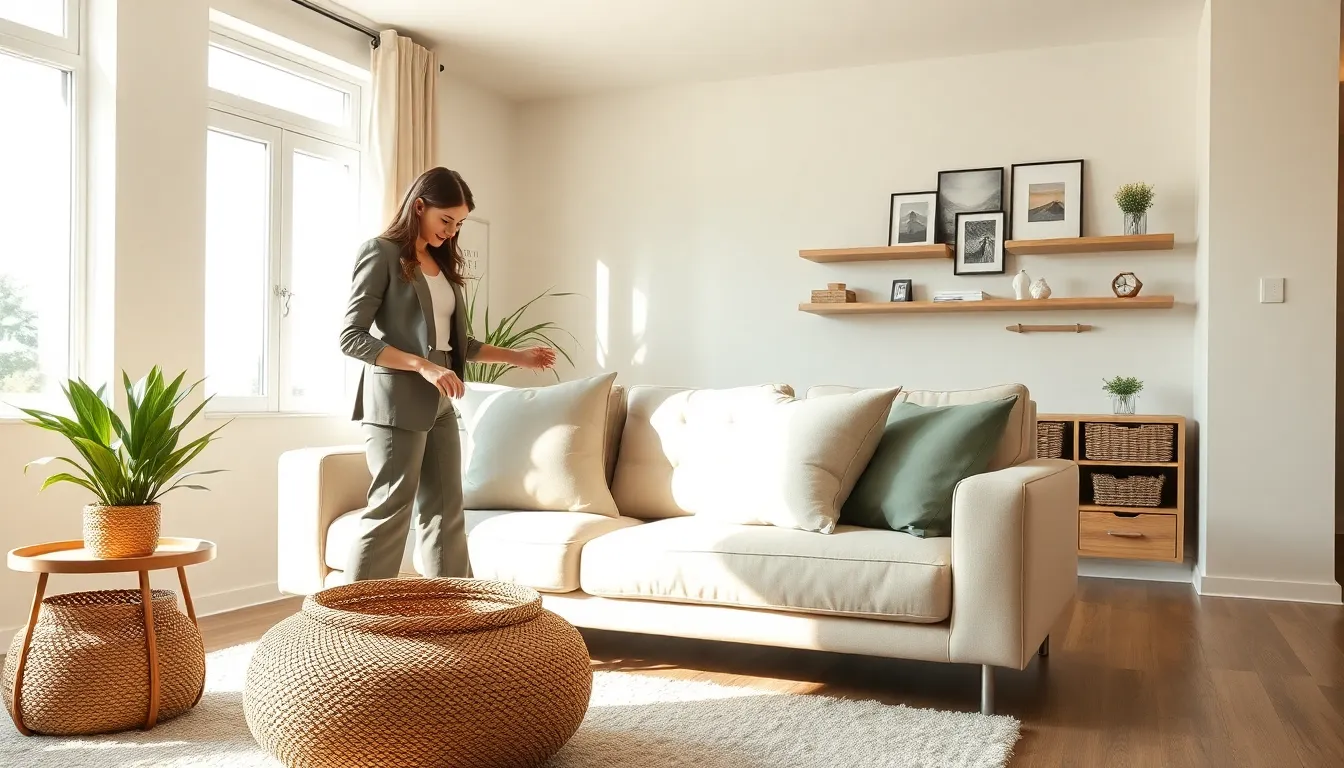
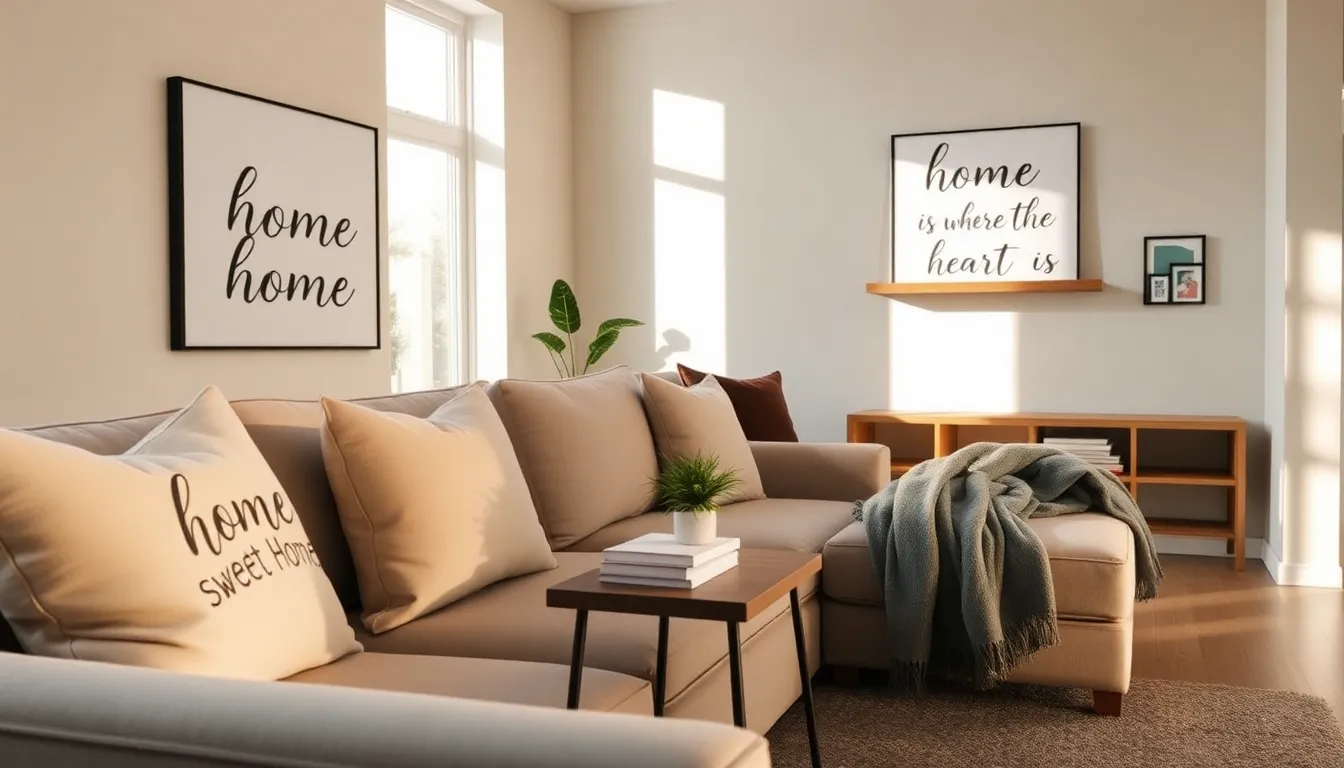
“Home sweet home” is one of the most recognized phrases in the English language. People hang it on walls, stitch it into pillows, and say it after long trips. But what does it actually mean? This phrase captures something deeper than four walls and a roof. It speaks to comfort, belonging, and the emotional anchor that a true home provides. Whether someone lives in a sprawling house or a small apartment, the feeling of home remains universal. This article explores the origins of “home sweet home,” why home feels different from any other place, and how people can create that sense of belonging wherever they live.
Table of Contents
ToggleKey Takeaways
- The phrase “home sweet home” originated from an 1823 opera and has remained a cultural symbol of comfort and belonging for over 200 years.
- Home feels different because familiarity reduces stress, personal objects create emotional anchors, and having control over your space provides a sense of safety.
- You can create your own home sweet home feeling by surrounding yourself with meaningful items, establishing daily routines, and engaging your senses.
- Building community beyond your front door—through neighbors and local connections—strengthens your sense of belonging.
- Modern challenges like remote work and rising housing costs are reshaping what home means, but the core need for a safe, peaceful space remains universal.
- Home sweet home is ultimately about the feeling of comfort and acceptance, not the size or perfection of the physical space.
The Origins and History of the Saying
The phrase “home sweet home” comes from an 1823 opera called Clari, or The Maid of Milan. American actor and playwright John Howard Payne wrote the lyrics. The song became wildly popular almost overnight. People across England and America embraced it as an anthem for domestic comfort.
Payne himself lived an ironic life. He spent most of his years abroad, far from any permanent home. Some historians believe his longing for stability inspired the heartfelt lyrics. The song’s chorus, “Be it ever so humble, there’s no place like home”, resonated with audiences then and still does today.
By the mid-1800s, “home sweet home” had become a cultural touchstone. Families displayed the phrase on embroidered samplers and decorative plaques. The Victorian era, with its emphasis on domestic life, helped cement the saying into everyday language. Queen Victoria herself reportedly loved the song.
The phrase survived because it touches something real. Wars, migrations, and economic hardships have displaced millions of people over the centuries. Through all of it, the idea of home sweet home has offered comfort. It reminds people that home is less about a physical structure and more about a feeling of safety and peace.
Why Home Feels Different From Any Other Place
Home triggers a unique emotional response. Scientists have studied why people feel calmer and more relaxed in their own spaces. The answer involves both psychology and biology.
Familiarity plays a major role. The brain processes familiar environments with less effort. When someone walks into their home, they don’t need to assess threats or decode new surroundings. This frees up mental energy and reduces stress. The body responds by lowering cortisol levels and slowing the heart rate.
Personal objects also matter. Photos, furniture, and even the smell of a space create sensory anchors. These triggers connect to memories and emotions. A favorite chair isn’t just furniture, it’s where someone reads, relaxes, or has meaningful conversations. These associations build over time and strengthen the bond between a person and their home.
Control is another factor. At home, people set the rules. They choose the temperature, the lighting, and the noise level. This sense of autonomy contributes to feelings of safety. Outside spaces rarely offer this level of control.
Home sweet home also means acceptance. In their own space, people can be themselves without judgment. They can wear old clothes, sing off-key, or simply sit in silence. This freedom creates emotional security that public spaces can’t replicate.
Relationships deepen the connection too. Shared meals, conversations, and daily routines turn a house into a home. The people inside matter as much as the structure itself.
Creating Your Own Sense of Home
Not everyone feels at home where they live. Moving to a new city, going through a divorce, or losing a loved one can disrupt that sense of belonging. The good news? People can actively create their home sweet home feeling.
Start With Personal Items
Surrounding oneself with meaningful objects helps. Family photos, artwork, and souvenirs from travels add personality to a space. These items tell a story and remind people of who they are and where they’ve been.
Establish Routines
Daily rituals anchor people to their space. Morning coffee in a favorite spot, evening walks around the neighborhood, or Sunday dinners create patterns. These routines build familiarity and comfort over time.
Engage the Senses
Smell is a powerful memory trigger. Candles, fresh flowers, or cooking familiar recipes can make a new place feel more like home. Sound matters too, playing favorite music or enjoying comfortable silence both contribute to the atmosphere.
Build Community
Home extends beyond the front door. Getting to know neighbors, finding local coffee shops, and joining community groups helps people feel rooted. A sense of belonging to a larger community strengthens the home sweet home experience.
Accept Imperfection
No space is perfect. Older homes have creaky floors. Apartments have thin walls. Learning to accept, and even appreciate, these quirks makes a space feel more personal. Perfection isn’t the goal. Comfort is.
Home Sweet Home in Modern Life
The meaning of home sweet home continues to shift. Remote work has changed how people relate to their living spaces. For many, home is now also an office, a gym, and a social hub.
This blending of functions creates challenges. When work and rest happen in the same room, boundaries blur. Some people struggle to relax in spaces where they also handle stressful tasks. Creating distinct zones within a home helps maintain balance.
Technology has also changed the home experience. Smart devices control lighting, temperature, and security. Video calls connect people with friends and family across distances. These tools can enhance comfort, but they can also create distractions. Finding the right balance matters.
Housing costs present another modern challenge. In many cities, affordable housing has become scarce. Young adults delay homeownership longer than previous generations. This economic reality forces people to redefine what home sweet home means to them. Renting, co-living, and smaller spaces are becoming more common.
Even though these changes, the core meaning of home sweet home remains. People still crave a place where they feel safe, accepted, and at peace. The phrase has survived for over 200 years because it captures a universal human need.
Minimalism and intentional living movements have given the concept new relevance. Many people now prioritize experiences and relationships over square footage. A smaller space filled with meaning can feel more like home than a large house that lacks warmth.
Eventually, home sweet home is less about the structure and more about the feeling. It’s the exhale after a long day. It’s the comfort of familiar sounds and smells. It’s knowing that, regardless of what happens outside, there’s a place that belongs to you.